10 Totally Normal American Things That Seem Weird to the Outside World
Some things feel perfectly normal in the U.S., but the rest of the world finds them totally weird. These everyday habits confuse visitors, spark debates online, and sometimes just confuse people.
If you are American, you probably won’t even notice these quirks. But to outsiders, they stand out like neon signs.
Excessive Sugar in Food
In America, bread tastes sweet. So do pasta sauces, salad dressings, and even crackers. For Americans, that is just how food tastes. But for many foreigners, this sugary overload is confusing and even gross.
Visitors often ask, “Why is your bread a dessert?” They are not wrong. In most countries, bread is savory. The sugar-heavy American diet catches people off guard, especially when they bite into a “healthy” snack and find it tastes like candy.
Root Beer
Root beer is a comfort drink in the U.S., something kids grow up with. But to non-Americans, it is weird. Many say it tastes like cough syrup or toothpaste, and some even gag at the smell.

Elevate / Pexels / Foreigners just don’t understand why Americans are so obsessed with root beer.
There is just something about that minty, herbal bite that doesn’t translate.
The Confusing Date Format
Americans write dates as MM/DD/YYYY. Seems simple, right? But for most of the world, it is backward. They use the day first, then the month, then the year. Logical, like how time flows.
This mix-up leads to real confusion, especially on forms or event invites. If someone sees 03/05/2025, are they talking about the 5th of March 5 or the 3rd of May? Outside the U.S., that is a real head-scratcher.
Halloween Obsession
In America, Halloween is massive. People decorate houses, throw parties, and spend billions on costumes. It is not just for kids, either. Adults go all in.
That level of commitment is rare elsewhere. In many countries, Halloween is barely a blip. Visitors are shocked to see full graveyards on lawns or coworkers dressed as zombies at the office.
Avoiding Doctors
In the U.S., many people avoid going to the doctor unless it is serious. Got a cold? Ride it out. Twisted ankle? Ice it at home. For many, healthcare feels like a last resort.
Other countries don’t work that way. In places like Japan or Germany, people see doctors early and often, even for minor stuff.
Drug Testing at Work!
In America, it is normal to pee in a cup before starting a job. Routine drug tests are common, especially for retail, corporate, or warehouse positions. Employers want to know you’re clean before day one.
In most of the world, that’s unheard of. People feel it’s a privacy violation. Unless the job involves public safety, many countries skip drug testing completely. To outsiders, it feels like an overreach.
Standing Cashiers
Walk into a U.S. store, and the cashier is probably standing. All day. No chair in sight. It is what is expected, but in countries like Germany or Spain, cashiers sit comfortably while they work.
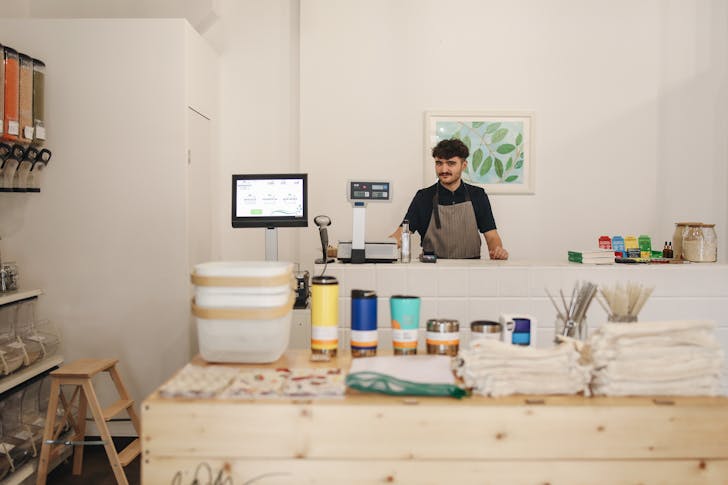
Polina / Pexels / Standing cashiers are ubiquitous in the U.S. It seems insane for the rest of the world.
Foreign visitors notice this right away. They see a cashier stuck on their feet for hours and ask, “Why?”
Ranch Dressing
Ranch is a beloved flavor in the U.S., used on salads, wings, fries, and even pizza. But many foreigners don’t get it. In fact, some find it gross.
When Pringles sold “Cool American” chips in Europe, it confused people. Turns out, they were just ranch flavor.
Tipping Culture
In the U.S., tipping is not optional. Servers rely on tips to make a living wage. Leave anything under 15 percent, and you might get a glare. For Americans, it is part of the deal.
But outside the U.S., tipping is rare or modest. Service charges are usually built into the bill.
The Pledge of Allegiance
Every morning, kids in U.S. schools stand up, put their hands over their hearts, and say the Pledge of Allegiance. To Americans, it is a tradition. But to foreigners, it feels forced.
In most countries, school rituals don’t involve pledging loyalty to a flag.