26 European Nations Commit to Defend Postwar Ukraine
Ukraine just got a major promise from Europe. One that could shape the future of the continent. 26 European countries have agreed to help defend Ukraine after the war ends. It is not just talk. This is Europe stepping up, planning a serious postwar military presence to keep Russia from coming back.
The commitment, led by France and the United Kingdom, means putting actual boots on the ground, in the air, or at sea once a peace deal is reached. French President Emmanuel Macron says this is about sending a clear message to Moscow. The message? Don’t try anything funny once the fighting stops.
Europe Takes the Lead
This is the most unified European military step since the Cold War. What is new this time is who is leading. Not the U.S., but Europe itself. With Washington less eager to send troops, Europe is starting to act like it owns the problem.
U.S. President Donald Trump has made it clear he wants Europe to carry more weight. This move fits that vision. If Europe wants Ukraine to survive and rebuild, it has to protect it long after the guns go quiet.
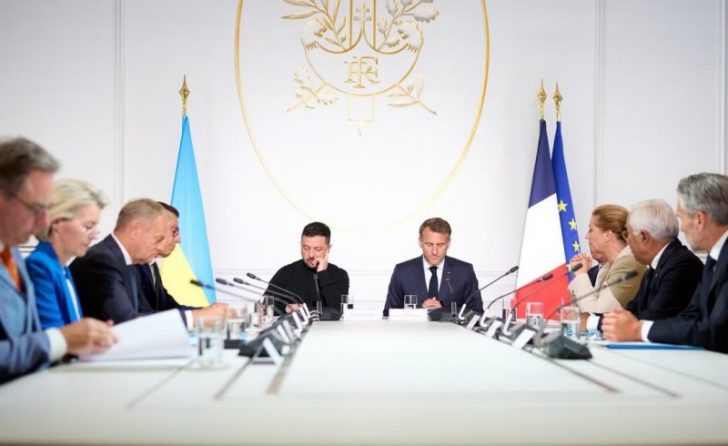
Zelenskyy / IG / At this point, war-torn Ukraine doesn’t need cheerleaders. It needs muscle. Russia still has forces inside Ukraine and is pumping out weapons from a growing war economy. A peace deal doesn’t erase those facts.
That means any postwar force has to be big enough, tough enough, and close enough to the action to stop Russia from crossing the line again. If not, this plan could fall apart before it begins.
The Coalition’s Plan Is Vague
Right now, the big question is, what does this European force actually look like? The announcement sounds strong, but key details are missing. No one knows how many troops, what kind of weapons, or where they will be based.
Germany, for example, hasn’t committed combat troops. Others might send advisors or support instead of frontline soldiers. Without clear roles and real numbers, the plan could struggle to scare anyone in the Kremlin.
Covering Ukraine is no easy task. The country shares massive borders with both Russia and Belarus. Then there is the Black Sea. And let’s not forget the missiles. Russia can strike deep into Ukrainian cities with long-range fire.
To truly deter future attacks, Europe needs to prepare for a sprawling, long-haul operation. That means more than just troops. It means radar systems, missile defense, and fast-response forces that can handle surprises.
However, the U.S. isn’t sending soldiers, and that will not change anytime soon. But the U.S. still plays a huge part. Airpower, intelligence, and high-tech gear are things only Washington can deliver at scale.
So, while Europe takes the lead, it will still need U.S. support behind the scenes. That balance will be key. Too little American help, and the plan might not hold. Too much, and it sends the wrong message about Europe’s independence.
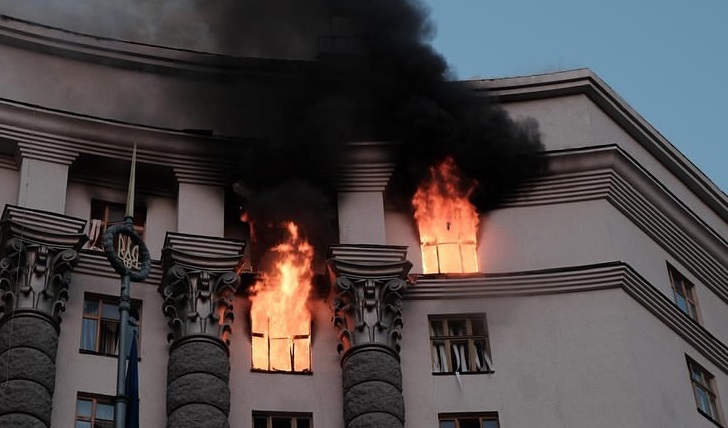
Zelenskyy / IG / If this coalition wants to be taken seriously, it must get organized fast. Every country needs to say exactly what it is bringing to the table. Troops, drones, cash. No more vague promises!
Sanctions Must Keep the Pressure On
Europe and the U.S. must keep Russia’s economy under stress. That means sanctions will not be relaxed once the war ends. Letting up would give Putin space to regroup and rearm.
Strong economic pressure also shows Ukraine that the West isn’t walking away. Words matter, but money and markets talk louder. Sanctions are part of defense, even if they don’t come with tanks.
This avoids delays when things get real. It also shows Russia that this isn’t just a press conference. It is a strategy with teeth.
This can’t be a bunch of foreign soldiers playing hero. Ukraine’s military has proven it knows how to fight. The coalition needs to work with Ukrainian commanders, not over them