Alonso Lays Out Two-Month Recovery Plan as Aston Martin Faces Reality of 2026 Nightmare Start
Aston Martin did not expect this kind of start. The 2026 season was meant to mark a bold new era, but instead, it has exposed deep cracks in the team’s foundation. Double retirements, back-row qualifying, and a car that refuses to behave have turned early races into damage control exercises.
Fernando Alonso is not hiding from the truth. He has seen enough in Formula 1 to know when things are off track. The Spanish racer’s message is simple and sharp. This will take time, and the team needs to reset before chasing speed.
A Rough Start That Changed the Plan
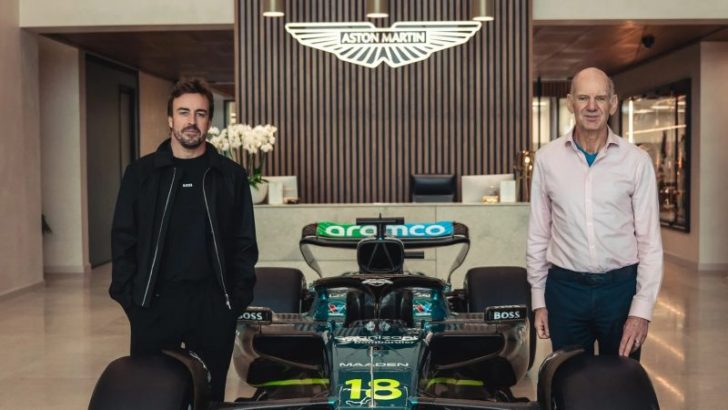
E Sports / The AMR26 arrived with big expectations. A new Honda power unit, fresh technical leadership, and a full works setup promised progress.
Testing already hinted at trouble. The car struggled to complete laps, and the data coming in did not match the simulations. By the time the season began, Aston Martin was already on the back foot.
The opening races confirmed the worst fears. Reliability issues forced both cars out, while pace was nowhere near the midfield, let alone the front. In Japan, both drivers qualified at the very back, which says everything about the current state of the car.
This was a full system failure that forced the team to rethink its entire approach. Instead of chasing performance gains, the focus shifted to survival and understanding.
Alonso has laid out a clear timeline. The next couple of months are not about fighting for points. They are about making the car work properly, lap after lap, without falling apart.
In F1, data is everything, and right now Aston Martin does not have enough clean data to build from. If the car cannot run consistently, engineers cannot fix what they cannot fully measure. That is why the first phase is all about stability. The team needs full race weekends with normal running. They need long runs, clean laps, and fewer surprises. Only then can they start making smart decisions.
Alonso pointed to McLaren’s turnaround in 2023 as a reference. That recovery did not happen overnight. It started with understanding the problem, then slowly building performance back into the car.
The Core Problems Holding the Car Back
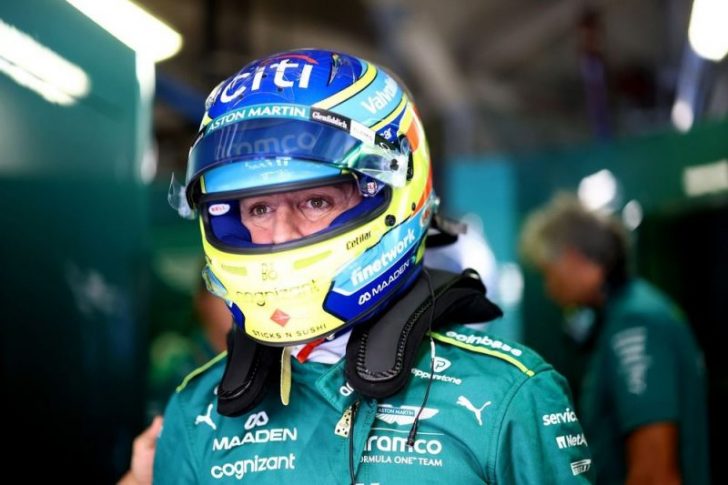
GTN / The AMR26 suffers from a mix of aerodynamic inefficiencies, power unit limitations, and a persistent vibration problem that affects performance.
The vibration issue stands out. Earlier in development, it was damaging key components like the battery. That part has been controlled, but the underlying problem remains. It still disrupts the car’s balance and limits how hard the drivers can push.
In Formula 1, even minor instability can cost tenths of a second per lap. Over a race distance, that turns into a massive gap. The integration between the chassis and the Honda power unit also needs work. New partnerships always bring challenges, and this one is no different. The car and engine are not yet working as one smooth package.
Off the track, Aston Martin is not standing still. The team has expanded its engineering group to handle the demands of the new regulations. More experienced voices are now leading race operations.
Gary Gannon and Andrew Vizard have stepped into senior roles. Their job is to bring structure and clarity during race weekends, which matters even more when the car is struggling.
The driver lineup also remains stable. Alonso continues to lead with experience, while Lance Stroll works through the same challenges on the other side of the garage. Behind them, Stoffel Vandoorne and Jak Crawford support development and long-term planning.