Why America Is Ditching the Penny Coin After 150 Years
The penny has officially outlived its value. At 3.69 cents per coin, making a penny costs nearly four times what it is worth. The Treasury Department has seen enough. They are pulling the plug, calling it a smart move to cut costs and save taxpayers millions each year.
The U.S. Mint has been slowly turning down the dial on penny production for years. And now, with the final batch of penny blanks ordered, the end is near. Say goodbye to that tiny coin you always left in your car cup holder.
Why the Penny Fell So Hard
The penny used to be practical. You needed it for taxes, vending machines, and even gas. But over time, it stopped pulling its weight. Prices went up, and the penny stayed useless at the bottom of your wallet. People just didn’t care about it anymore.
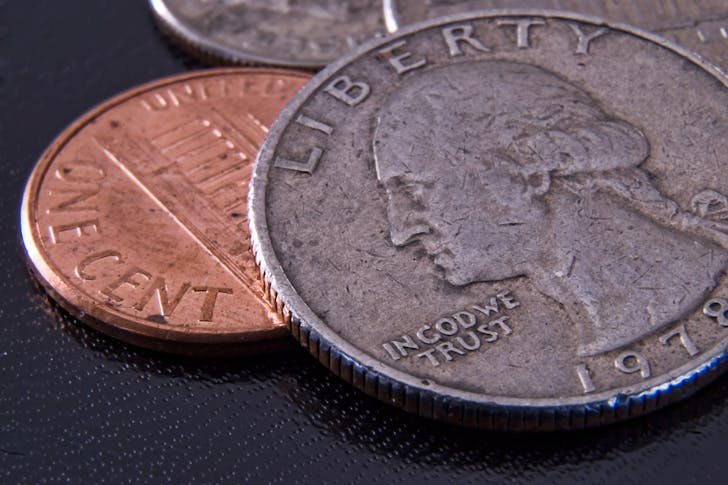
Jeff / Pexels / Pennies are 97.5% zinc and 2.5% copper. The cost of both metals has climbed sharply over the past decade.
Back in 2014, it cost about 1.3 cents to make a penny. Now, it is nearly triple that. Not smart for a coin worth just one cent.
The turning point? A push from the Oval Office. A few months back, President Trump told the Treasury to shut it down. His reasoning was simple. Why spend money to make something no one wants and that costs more than it’s worth? Hard to argue with that logic.
And now, it is happening. The Mint will keep printing pennies only until it runs out of the last batch of blanks. No more after that. The government expects to save at least $56 million a year once the penny is fully phased out. That is just from material savings. There could be even more once the factories are retooled.
What Happens When the Penny Is Gone?
There are still around 114 billion pennies floating around in the U.S. But eventually, those coins will wear out, disappear, or end up in someone’s jar forever. As the supply dries up, stores and businesses may need to start rounding prices to the nearest nickel. Cash customers will feel that shift first.
Freepik / This is not something new. Countries like Canada and Australia already scrapped their lowest-value coins years ago.
They rounded prices and moved on. No one missed a beat. If anything, it made buying stuff simpler.
The nickel, worth five cents, now costs about 13.78 cents to make. That is a 19.4% jump from last year alone. So while the penny’s exit is official, the nickel could be next in line.
For now, the Treasury hasn’t announced any plans to kill off the nickel. But given its high production cost, that conversation is not far behind. When a five-cent coin costs nearly 14 cents to mint, you have to wonder how long that will last.
Losing the penny might feel like a big deal at first. After all, it has been around for over 150 years. Lincoln’s face has been on it since 1909. It is familiar and historical. But the truth is, its time was up a while ago.
These days, the penny is more of a nuisance than a necessity. Cash transactions are shrinking. Digital payments rule. And nobody wants to fumble with coins that don’t even buy a stick of gum. Killing the penny is less about tradition and more about logic.