What Is Donald Trump’s ‘Framework of Future Deal’ on Greenland?
On January 21, 2026, President Donald Trump introduced a phrase that immediately raised eyebrows. The United States, he said, had a “framework of a future deal” involving Greenland. The comment came after his meeting with NATO Secretary General Mark Rutte at the World Economic Forum in Davos. The tone was calm, but the backdrop was tense.
Just weeks before, Trump had threatened tariffs against European allies and refused to rule out military force to secure the Arctic island. Those remarks unsettled capitals across Europe and triggered concern within NATO. The new wording marked a clear shift. Talk of ownership disappeared, replaced by language centered on access, influence, and control.
What’s missing is substance. There is no signed agreement, no publicly defined terms, and no timeline for what this framework actually leads to. What is visible is a sudden softening of tone after an aggressive pressure campaign that strained alliances.
Trump cast the moment as progress. Critics described it as a retreat reframed as victory. Both sides agree on the larger implication. Greenland has become a key battleground in a broader geopolitical struggle, and the issue is not going away.
Washington’s POV
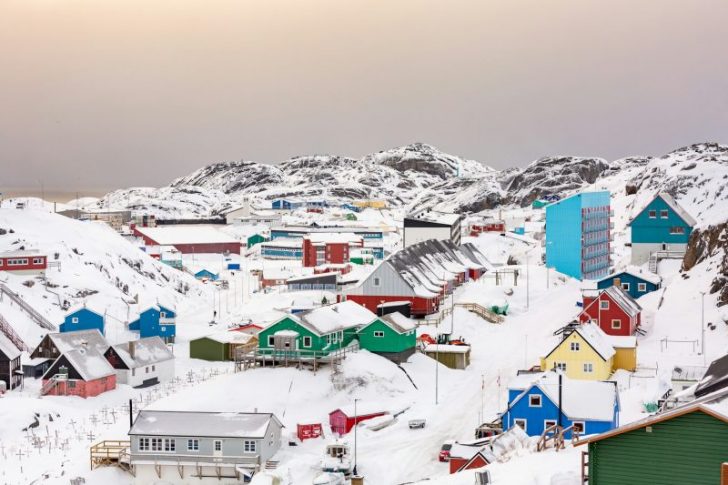
Greenland / Unsplash / According to U.S. officials, the goal is “total access” to Greenland for an unlimited period.
It points to security first, not a real estate deal. The United States wants expanded military reach, stronger radar coverage, and room for parts of the proposed Golden Dome missile defense system. In Arctic terms, Greenland is prime ground.
There is also the resource angle. Greenland contains rare-earth minerals that are critical to weapons systems, clean energy, and advanced electronics. China already dominates this market. Washington does not want Beijing to gain a foothold on the island. Russia’s growing Arctic activity only adds urgency.
However, the U.S. already has broad military rights in Greenland under a 1951 defense agreement with Denmark. U.S. forces can operate bases and move freely in designated zones. Critics argue the new framework offers little beyond what already exists, except louder demands and higher political costs.
That tension explains the swift response from Copenhagen and Nuuk. Danish Prime Minister Mette Frederiksen said sovereignty was not up for discussion. Greenland’s Prime Minister Jens-Frederik Nielsen called it a red line. NATO later confirmed that no compromise on sovereignty was ever proposed.
How Threats Turned Security Talks Into a Full-Blown Crisis
The ‘framework’ announcement closed a tense chapter, but it did not erase what came before it. In early January 2026, Trump threatened tariffs on eight European countries. Denmark and the United Kingdom were on the list. The reason was their role in a military reconnaissance mission linked to Greenland.
Trump went further to say that the tariffs would stay until a deal was reached for the complete and total purchase of Greenland. He also refused to rule out military force, saying the United States would get the island “one way or the other.”
An attack by one NATO member on another would shatter the alliance’s core promise. Even hinting at it caused deep concern. European leaders saw the pressure campaign as coercion, not negotiation.
Back home, the idea caused problems for Trump’s own party. Republican lawmakers called the strategy reckless and damaging. Some labeled it strategic self-harm. Others called it the dumbest idea they had ever heard. Polls showed only 17% of Americans supported trying to acquire Greenland.
The framework helped cool the immediate crisis. It did not fix the damage. Allies welcomed the pause, but many now question how far Washington might go when interests collide.
Why America Is so Obsessed With Greenland
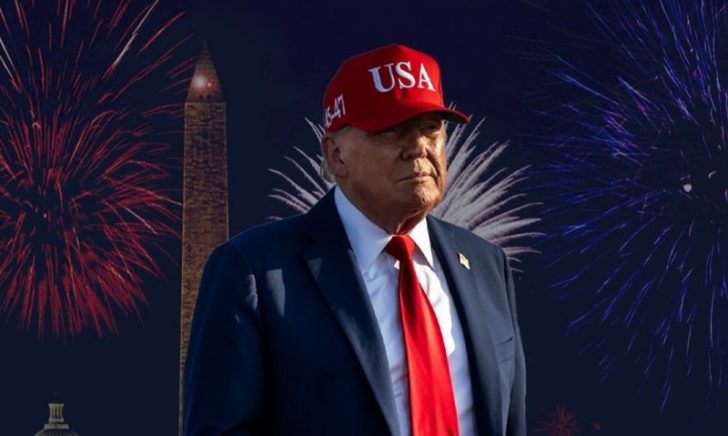
Trump / IG / American interest in Greenland is not new. The United States tried to buy it in 1867 and again in 1946.
Its Arctic location makes it vital for missile warning systems and space monitoring. The U.S. already runs the Pituffik Space Base, once known as Thule Air Base, in the island’s northwest.
Greenland’s political status adds another layer. It governs its own domestic affairs but remains part of the Kingdom of Denmark, which controls defense and foreign policy. Danish law allows for independence if Greenland votes for it and Denmark’s parliament agrees.