What Does the End of AGOA Mean For the Future of US-Africa Trade?
The African Growth and Opportunity Act, better known as AGOA, quietly expired on September 30, 2025. For 25 years, it gave many African countries duty-free access to the U.S. market. Now, with no formal extension in place, the deal is over, and the fallout is real.
Factories are already feeling it. Tariffs are back. Jobs are at risk. And while Washington talks investment, African leaders are exploring new trade paths that don’t rely on handouts or uncertain politics.
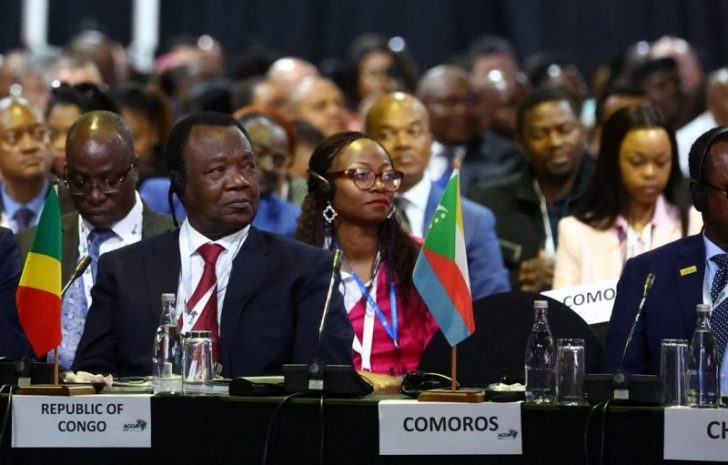
The News / AGOA was a lifeline for thousands of African exporters. Now, that safety net is gone. U.S. importers are bracing for higher costs. African producers are scrambling to save contracts.
And the longer this gap continues, the more damage piles up.
Take Kenya, for example. A major garment factory that shipped almost entirely to the U.S. has seen orders dry up since September. It may shut down within weeks, putting 700 workers out of a job. Across Africa, reports suggest that up to a million jobs could disappear, either directly or indirectly tied to AGOA’s benefits.
Tariffs are back in full force. Products that entered the U.S. duty-free now face steep import taxes. Some clothing shipments are suddenly 30% more expensive. Even basics like vanilla and nuts are getting hit. One U.S. wholesaler who sources from Madagascar says prices just jumped overnight, and customers are pushing back.
Tariff Troubles Go Beyond AGOA
Even before AGOA expired, things were already getting tense. In August 2025, the U.S. slapped new bilateral tariffs on several African exports, targeting industries like wine, citrus, and steel. South Africa got hit hard, with wine now facing a 30% tariff. For some exporters, AGOA had already become meaningless.
That double hit, losing AGOA and facing new tariffs, has left many African businesses stunned. For small and mid-sized exporters, the math no longer works. Ship to the U.S., and you lose money. That means canceled contracts, idle workers, and shrinking economies.
The Shift in U.S. Strategy
AGOA’s collapse isn’t just about paperwork or policy. It is a sign of a bigger shift in how the U.S. deals with Africa. The old model, duty-free access in exchange for political alignment, is being replaced by a new one: big business deals and investment packages.
Just look at what happened in June 2025 in Luanda, Angola. The US-Africa Business Summit drew CEOs, bankers, and ministers. The focus? Infrastructure, clean energy, and tech. The results? Over $4 billion in new deals. This includes a $1.5 billion transmission line in Angola and a $500 million gas terminal in Sierra Leone.
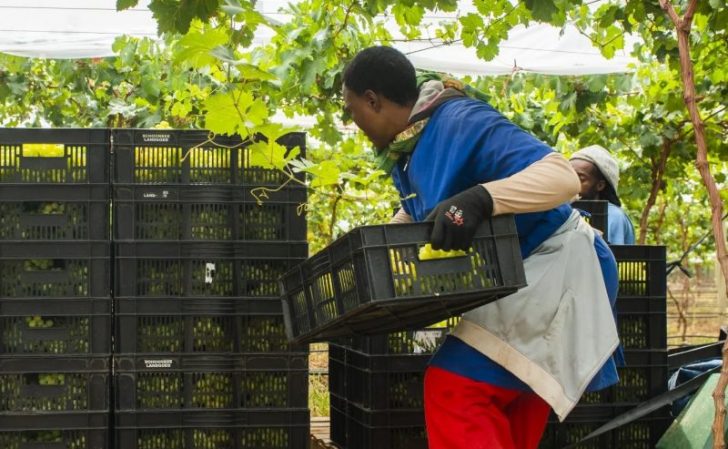
GTN / While the U.S. is cutting ribbons on new projects, it is also cutting off AGOA benefits.
Is the U.S. a long-term partner, or just another player chasing quick wins? For many African leaders, that question is starting to shape new policy directions.
Africa’s Strategic Pivot
In response to AGOA’s expiration and rising tariffs, many African countries are pushing harder to build internal trade strength. The African Continental Free Trade Area (AfCFTA) is now front and center. If successful, it could become the largest free trade zone in the world, connecting 1.4 billion people.
The goal is to trade more within Africa and depend less on the U.S. or Europe. For decades, African countries shipped raw materials abroad and imported finished goods. Now, there is a stronger push to process, package, and profit at home. That means building factories, training workers, and keeping more value on the continent.
At the same time, Africa is looking east, west, and everywhere in between. China’s trade with Africa hit $295 billion in 2024. The country recently dropped tariffs on hundreds of African goods, making it easier for African companies to compete.