Martha’s Vineyard’s Exclusivity for the Rich & Famous and Its Tragic Tales
Martha’s Vineyard looks calm from a distance. Soft beaches, Gray shingle houses, and quiet roads lined with hydrangeas. It feels untouched, even gentle. But the island carries weight. Big money, big names, and moments that shook the country.
Long before private jets and motorcades, the island belonged to the Wampanoag people. They called it Noepe, a name tied to water and land working together. Life followed the seasons. Fishing, farming, and community came first.
European settlers arrived in the 1600s, and everything shifted. By the 1800s, whaling ruled the economy. Ships left the island and returned heavy with oil and profit. That money changed the landscape. Large homes appeared. Outside investors bought land. Status began to stick to certain addresses.
When whaling collapsed, tourism stepped in. Methodist camp meetings drew visitors looking for fresh air and moral order. Steamboats made travel easier but not too easy. The island stayed just far enough away to feel private. That balance still defines it today.
Oak Bluffs took a different path. In the early 1900s, Black families from cities like Boston and New York found something rare there. Safety. Community. Joy. At a time when segregation ruled most resorts, Oak Bluffs welcomed them. Writers, doctors, teachers, and artists built a summer world of their own.
Ascent to Celebrity Haven
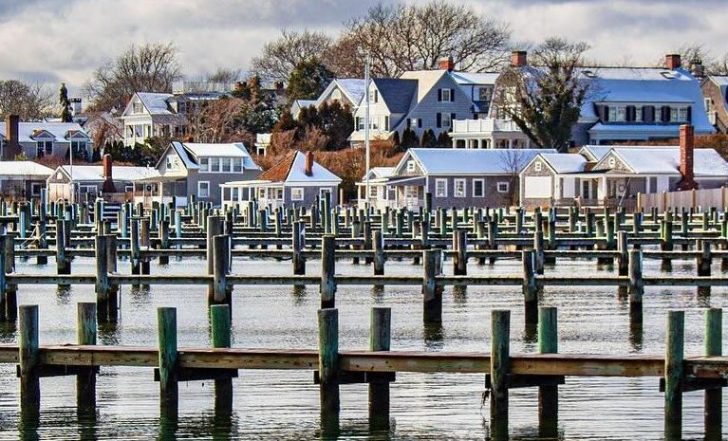
@visitmarthasvineyard / Instagram / The modern image of Martha’s Vineyard did not happen by accident. One family changed everything.
In 1928, Joseph P. Kennedy bought a modest vacation home nearby. Over time, it grew into the Kennedy compound. When John F. Kennedy became president, the island became a symbol of power. The press followed. The public noticed. The Vineyard turned into a presidential backdrop.
Presidents after him kept coming. Bill Clinton vacationed there. Barack Obama bought a home. That kind of attention does not fade. It multiplies.
Celebrities followed politics. Actors, musicians, and media figures realized the island played by different rules. Locals did not chase autographs. Privacy was respected. Wealth did not need to shout.
By the 1970s, famous faces were part of daily life. Carly Simon moved there full-time and made the island feel culturally alive, not just rich. Filmmakers like Spike Lee found space to create. The appeal was clear. You could be powerful or famous and still blend in.
The Shadow of Tragedy
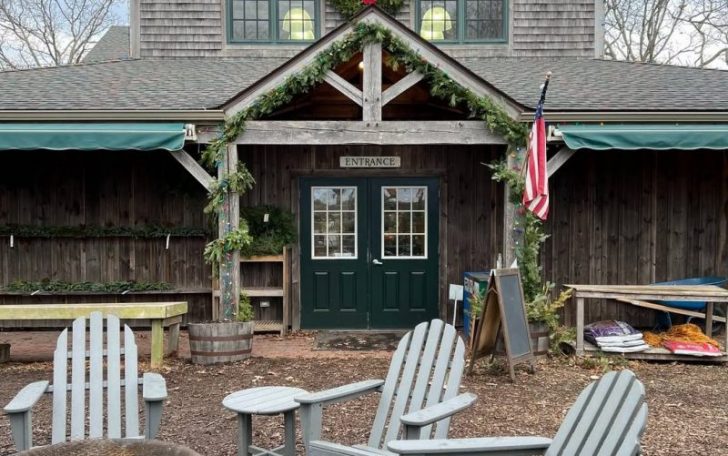
@visitmarthasvineyard / Instagram / For all its beauty, the island carries grief. And much of it circles back to one name.
In 1969, the Chappaquiddick incident changed everything. Senator Ted Kennedy drove off a narrow bridge late at night. His passenger, Mary Jo Kopechne, drowned. Kennedy survived and left the scene. He did not report the crash until the next morning.
The public reaction was brutal. Trust collapsed. Questions never stopped. That night ended his hopes for the presidency and tied the island to scandal forever. Chappaquiddick stopped being just a place. It became a warning.
Thirty years later, tragedy returned. In 1999, John F. Kennedy Jr. piloted a small plane toward the island. His wife, Carolyn, and her sister, Lauren, were with him. The plane crashed into the Atlantic before reaching shore.
Investigators ruled that it was pilot error, caused by spatial disorientation. The country watched the search unfold. When the wreckage was found, the loss felt personal to millions. Their ashes were scattered at sea near the island they loved.
Today, the cycle continues. Summer transforms the island. The year-round population explodes. Homes sit dark for months, then burst to life. Real estate prices climb higher each year.
Famous residents still come because nothing has changed where it counts. Locals protect privacy. Money moves quietly. Influence blends into the background.
But the island is not a museum for the elite. Wampanoag traditions remain strong. Oak Bluffs still carries its legacy as a Black cultural refuge. Fishermen, teachers, and shop owners live real lives behind the postcard views.