The ‘Political Conflict’ Between President Trump & Harvard University
Harvard just got hit with a federal freeze, and not the kind you can shake off. In a move that shocked higher education, the Trump administration blocked over $2.2 billion in federal grants and contracts to the Ivy League giant.
Why? Because Harvard wouldn’t follow a list of demands aimed at shutting down campus activism, cutting diversity programs, and letting the government tighten its grip on how the university operates.
It didn’t stop there. Trump’s team warned that if Harvard doesn’t fall in line, it could lose nearly $9 billion in total funding. The pressure is intense. The message from the White House is clear: change, or pay the price. And the conflict is not just about money. It is about power, politics, and control over what is taught on campus.
Harvard Pushes Back Against Trump’s Demands
Harvard President Alan Garber isn’t playing defense. He called the demands unconstitutional and said the university “will not surrender its independence.” According to Garber, this is not about compliance. Rather, it is about principle. Harvard believes the administration is using federal money as leverage to push political agendas onto college campuses.
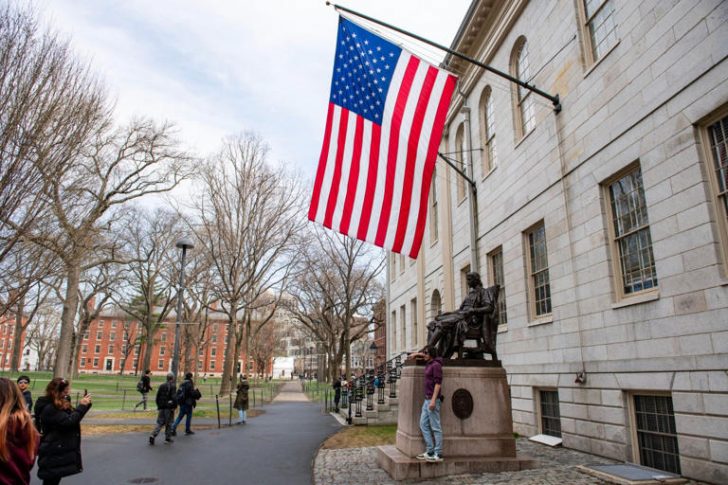
AP News / The university is standing its ground. Garber says giving in would threaten academic freedom and weaken research that drives innovation in the U.S.
The administration, on the other hand, says the changes are needed to fight antisemitism and protect civil rights. But critics argue that this is not just about civil rights. It means silencing political opposition and reshaping elite institutions to fit a conservative mold.
The Role of ‘Campus Politics’ Is Pivotal
Trump allies argue that elite schools like Harvard promote liberal bias and shut out conservative voices. They claim the campus environment has become too hostile for right-leaning students and professors. That is why they are pushing for more oversight, fewer activism-based programs, and less focus on diversity.
Harvard disagrees. It says the administration’s version of “oversight” looks more like ideological control. The concern is that if the government can dictate what schools teach and how they run, it sets a dangerous precedent.
Today, it is about antisemitism. Tomorrow, it could be about what history books say or how professors get hired.
What About the Money?
The Trump administration’s freeze hit hard: $2.2 billion is no small cut. That funding supports major research projects, financial aid, and public service programs. Losing it could slow down scientific progress and limit student opportunities, not just at Harvard but across the academic world.
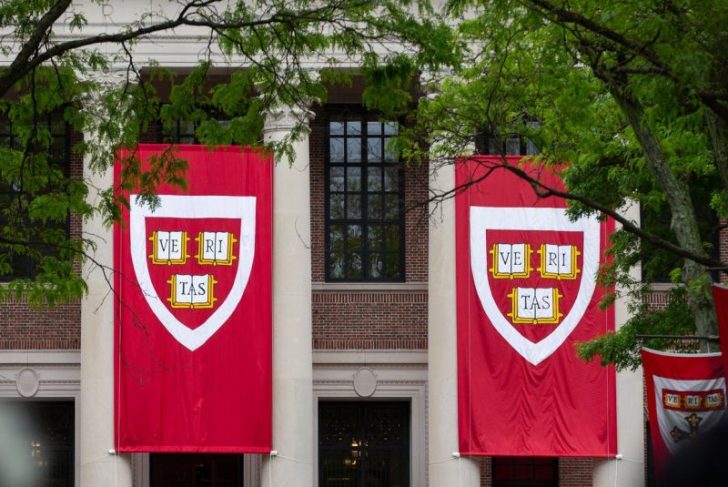
GTN / With a massive endowment, the elite university can survive the short-term hit. Former Harvard President Lawrence Summers said the university is ready for a fight.
He believes this crisis might even strengthen higher education in the long run by forcing schools to defend their values and independence.
The Fallout for Other Educational Institutes Is Imminent
Harvard isn’t the only school caught in the crosshairs. Columbia University initially tried to meet the Trump administration’s demands, but still saw its federal funds frozen. That move shocked university leaders nationwide. If playing along doesn’t work, what does?
This uncertainty has schools scrambling. They are now asking bigger questions: How much federal control is too much? Where is the line between upholding civil rights and controlling free speech? And most of all, who really gets to shape what students learn?
At its core, this is about freedom. Freedom to teach, to speak, and to learn without political interference. Harvard is betting that standing firm now will protect that freedom down the line. Trump’s team is betting that Americans want more control over how schools operate.