Scientists Finally Figure Out the Weird Origin of Potatoes
Potatoes didn’t just show up one day growing underground. They are actually the result of a bizarre genetic twist that happened millions of years ago. And now, scientists finally understand how that happened.
A new study digs deep into the roots of potatoes. Turns out that this humble veggie got its start when an ancient tomato relative hooked up with a wild plant group called ‘Etuberosum.’ This odd couple produced something neither of them could do alone: a starchy underground tuber. That one weird trick helped the first potatoes survive harsh mountain climates and eventually take over the world’s dinner plates.
Assume that two totally different plants, one with tomato-like traits and one from the Etuberosum gang, crossed paths 8 to 9 million years ago. Normally, nothing would come from that. But something strange clicked. The tomato relative carried a gene called SP6A, a piece of genetic code that knows how to make tubers. Etuberosum brought IT1, a gene that pushes plant stems underground.
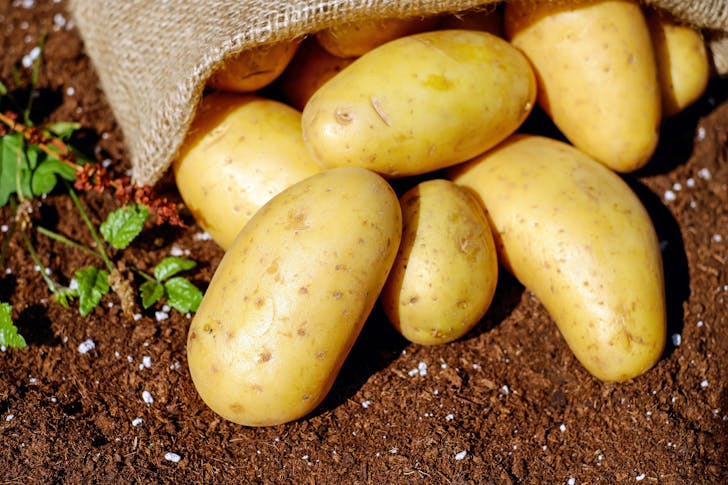
Pixabay / Pexels / Scientists have traced the genetic ancestry of potatoes to a surprising hybridization event 8-9 million years ago between an ancient tomato relative and another plant group called Etuberosum.
Alone, these plants couldn’t grow tubers. But when their DNA mixed, the SP6A and IT1 genes worked together and accidentally invented one of nature’s best survival tools.
The Andes Made Potatoes Tough
Right around the same time this plant hybrid showed up, the Andes Mountains were rising in South America. That created a dry, cold, and tough place to live. Most plants couldn’t handle it. But these early potatoes? They could store food underground, hide from frost, and ride out droughts.
The tuber gave potatoes a major advantage. It helped them push into rocky slopes, chilly altitudes, and places where other crops could not survive. This was no fluke. It was evolution in action, using a genetic roll of the dice to create something totally new.
Why Were Scientists So Confused for So Long?
The mystery of potato origins stumped researchers for decades. On the outside, potatoes looked a lot like Etuberosum plants. But on the inside, their genes told a different story, more like a tomato’s cousin. It didn’t add up.
That is, until scientists ran a massive genomic study. They looked at over 128 species and found a genetic mosaic, a mix of DNA patterns that screamed “hybrid.” The pieces finally fit. Potatoes weren’t just mutated versions of old plants. They were born from a full-blown genetic merger.
Understanding this hybrid history opens doors for better potatoes in the future. Sanwen Huang and other researchers believe that by reintroducing tomato genes into potato plants, we might clean up bad mutations and grow tougher crops.
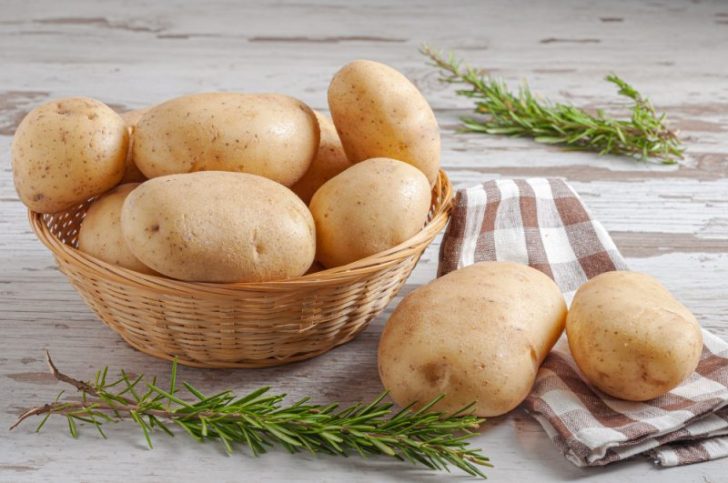
Freepik / Even though potatoes have saved lives and shaped history, people didn’t always love them. The first cultivated potatoes were domesticated in the Andes over 8,000 years ago.
Why Does That Matter?
Well, because potatoes have a disease problem. They are usually grown from clones, not seeds, which makes them easy targets for pests and blight. Remember the Irish Potato Famine? That disaster happened because all the crops were basically the same plant. One disease wiped them out.
However, Europeans were suspicious. Some thought potatoes caused leprosy, and others just hated how they looked. It took serious PR work to change that. In France, royalty staged fake heists where guards “protected” potato fields just to get people curious enough to steal and plant them.
Now, potatoes are one of the world’s top food crops. But it almost didn’t happen. If not for ancient farmers, smart promotion, and that weird genetic pairing millions of years ago, we might never have known them.
Linguistically, the word “tomato” actually changed over time to sound more like “potato” in English. This hints at their long-lost connection, hidden in DNA.