SpaceX IPO 2026 – What to Expect Before the Public Market Debut
A major shift in private markets is forming as SpaceX moves closer to a public offering that could reshape IPO history. The rocket and satellite company, led by Elon Musk, has confidentially submitted paperwork to the Securities and Exchange Commission for an initial public offering. Early estimates reported by Bloomberg place a possible valuation at $1.75 trillion, placing it among the largest market debuts ever considered.
Interest continues to build across institutional and retail circles, especially as early filings hint at a business spanning rocket launches, satellite internet, and artificial intelligence integration. While the filing remains non-public, upcoming regulatory steps will bring more visibility into the company’s financial structure and long-term direction.
SpaceX’s Market Position and Growth Drivers
SpaceX has built a strong presence in global aerospace and communications. The company recorded 165 orbital launches last year, the highest of any operator, according to Bryce Tech data. This pace reflects a rapid cadence in commercial and government space operations, strengthening its position in the launch industry.
Starlink, its satellite internet division, continues to serve as a major growth engine. Ark Invest describes Starlink as “the fastest-growing telecom network in the world by customer and revenue onboarding,” pointing to its expanding global subscriber base and infrastructure rollout.
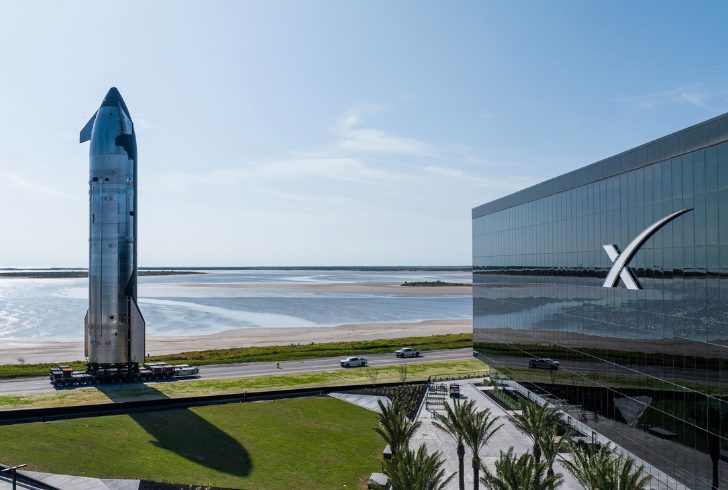
Instagram | spacex | With a record 165 orbital launches last year, SpaceX has solidified its dominance in the global aerospace industry.
Another shift came earlier this year when Elon Musk combined xAI with SpaceX. Musk described the move as forming “the most ambitious, vertically integrated innovation engine on (and off) Earth.” This integration ties aerospace, connectivity, and artificial intelligence under one structure, creating a broader technology ecosystem.
Musk’s leadership across companies like Tesla also shapes investor attention. His track record in electric vehicles, automation, and infrastructure-driven technology has kept long-term investors focused on his ventures as high-growth assets.
What a Confidential Filing Means
A confidential filing with the SEC signals that SpaceX has submitted its financial documents for review without making them public. This is an early procedural step in the IPO process, often used by large companies preparing for market entry.
The next phase will bring key disclosures into public view, including revenue breakdowns, profitability trends, capital spending levels, and business risk exposure. These details often shape early valuation debates and investor expectations before the stock reaches the market.
SpaceX is reportedly preparing to begin its IPO roadshow the week of June 8, according to Reuters reporting. This stage involves presenting the business to institutional investors ahead of the listing.
Before that can happen, the company must release its Form S-1 registration statement publicly at least 15 days prior to roadshow activity. Based on that timeline, the filing would need to be completed during the week of May 18 at the latest.
This document typically becomes the most closely watched piece of the IPO process. It outlines financial performance, operational strategy, and detailed risk factors that help investors assess long-term positioning.
Investor Focus Areas Ahead of Pricing
As the filing becomes public, attention is expected to center on several financial indicators that will shape valuation views. Revenue growth trends, profitability outlook, and long-term capital requirements will play a major role in how the company is priced.
Risk disclosures will also draw attention, especially for investors assessing exposure to aerospace manufacturing, satellite deployment costs, and competitive pressures in global communications. Different investor styles may interpret the same data in contrasting ways, particularly when comparing long-term growth potential with near-term financial volatility.
Valuation expectations will also come under scrutiny. Growth-focused investors may prioritize future expansion in space infrastructure and satellite networks, while value-oriented investors will weigh current financial fundamentals against the proposed IPO pricing.
AI Expansion and Market Narrative
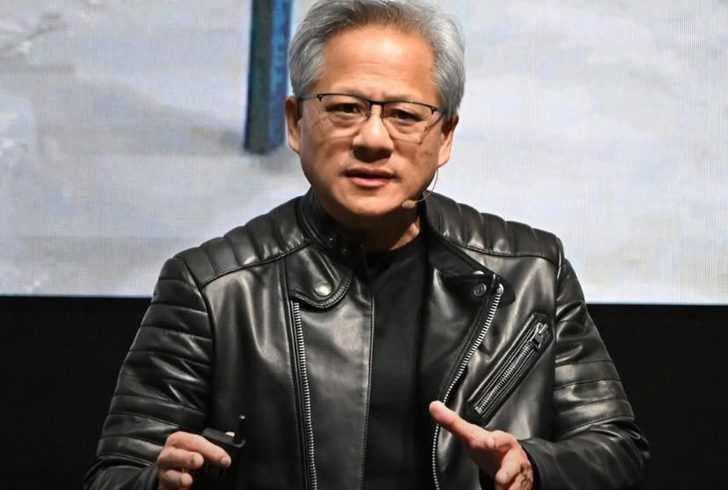
Instagram | cxomag | Nvidia’s CEO predicts a looming tech breakthrough will mint more millionaires than the entire internet era.
Interest in SpaceX is also expanding into wider artificial intelligence discussions linked to the Musk ecosystem. Nvidia’s CEO has pointed to a breakthrough that could create more millionaires over the next five years than the internet created in two decades. Amazon founder Jeff Bezos said it is “hard to overstate the impact.” Investor Cathie Wood has projected that artificial intelligence could become an $80 trillion opportunity by 2030.
That $80 trillion estimate is often compared with about 16 Nvidias, 26 Microsofts, or 28 Amazons in scale. The comparison highlights how large the AI expansion could become if current projections hold.
Within this outlook sits a narrower focus on an “Indispensable Monopoly.” This term describes a critical technology provider that supports semiconductor and AI infrastructure. Nvidia, AMD, and Intel reportedly depend on this underlying layer, while the company itself still remains much smaller in market value than Nvidia.
SpaceX’s path toward a potential IPO brings together aerospace expansion, satellite internet growth, and artificial intelligence integration within a single corporate structure. The upcoming S-1 filing and roadshow timeline will shape how investors assess financial strength, operational risks, and long-term valuation potential.
At the same time, broader market narratives around AI and infrastructure dominance continue to shape expectations. Forecasts tied to $80 trillion in potential industry growth are increasing attention on companies positioned within key technology supply chains.