Why Trump Could 10,000 More Troops to the Middle East as Iran War Escalates
The situation in the Middle East just took another sharp turn. Reports suggest President Donald Trump is considering sending up to 10,000 additional U.S. troops to the region. That number signals a serious shift in how the administration is preparing for what could come next.
According to The Wall Street Journal, the Pentagon is reviewing multiple deployment options. These plans include infantry units and armored support. The goal is simple on paper. Give the president more flexibility as tensions with Iran continue to rise.
Bigger Military Footprint with a Wider Set of Options
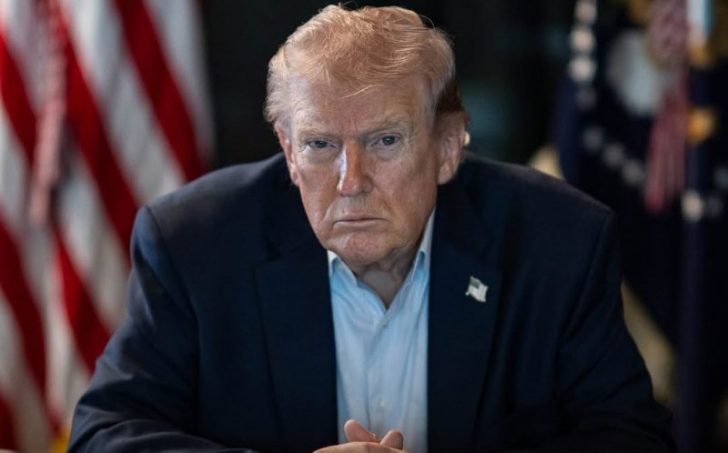
Trump / IG / The U.S. already has a strong presence in the region. Around 5,000 Marines have been ordered there.
Adding 10,000 more troops would push that number into a much heavier posture.
Officials say these forces are not just for show. They are meant to create real options. That includes rapid response missions, securing strategic zones, and even preparing for possible ground operations if things escalate further.
Behind closed doors, Trump has reportedly been briefed on several scenarios. Some involve targeting key Iranian assets. Others focus on controlling high-value areas that impact Iran’s economy and military reach. No final call has been made yet, but the planning is clearly active.
The Strait of Hormuz Changes Everything
The conflict began with large-scale U.S. and Israeli strikes on Iran on February 28. Since then, the situation has grown more complex and far more global.
At the center of it all is the Strait of Hormuz. This narrow waterway carries a huge portion of the world’s oil supply. Iran has effectively shut it down. That move alone has sent energy markets into panic mode.
Oil prices have climbed fast. Gas prices are creeping toward four dollars a gallon in the United States. The ripple effect is being felt everywhere, from shipping costs to everyday groceries.
There is also a clear military angle. Reports suggest U.S. forces could be positioned near Iran’s Kharg Island. This location is a key oil export hub. Controlling or threatening it would hit Iran where it hurts most.
Diplomacy Moves Alongside Military Pressure
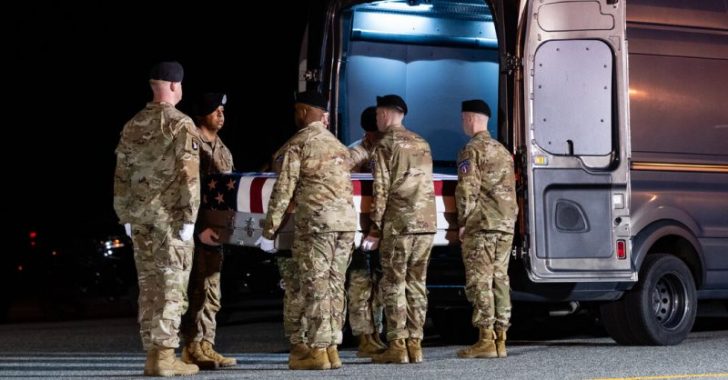
E News / While troop plans move forward, talks are happening at the same time. Vice President JD Vance is reportedly working with Pakistani mediators.
The focus is on a possible deal that could calm things down.
One idea on the table is a ceasefire linked to reopening the Strait of Hormuz. That would ease pressure on global markets and reduce the risk of a wider war. It sounds simple, but the reality is far more complicated.
President Trump has said the talks are going very well. He recently paused planned strikes on Iranian energy facilities. That pause is set to last until April 6, 2026. It gives both sides a short window to find common ground.
Still, there is no guarantee it will work. Iran has its own leverage. Closing the Strait showed that clearly. Both sides are testing limits while trying to avoid crossing a line that cannot be undone.
However, the biggest challenge for Trump may not be overseas. It may be at home. Public opinion is not lining up behind the idea of sending ground troops into Iran.
A recent Economist-YouGov poll shows that only 14% of Americans support deploying ground forces. A large 62% oppose the move. That level of resistance cuts across party lines. Even within the Republican base, support is not strong. More Republicans oppose sending troops than support it. That puts the administration in a tight spot. Any decision to escalate could come with serious political cost.
War fatigue plays a big role here. Many Americans remember long conflicts in Iraq and Afghanistan. There is little appetite for another drawn-out ground war in the Middle East.