U.S. Embassy Urges Americans to Leave Lebanon Amid Ongoing Middle East War
The U.S. Embassy in Beirut has sent a blunt message to Americans in Lebanon: Leave now while commercial flights still operate. The warning comes as fighting spreads across the region following U.S. combat operations in Iran that began on February 28, 2026.
Tensions have surged, and security conditions are shifting by the hour. Across the Middle East, U.S. embassies have issued urgent alerts telling Americans to either get out or shelter in place.
U.S. Embassy in Beirut Calls for Immediate Departure
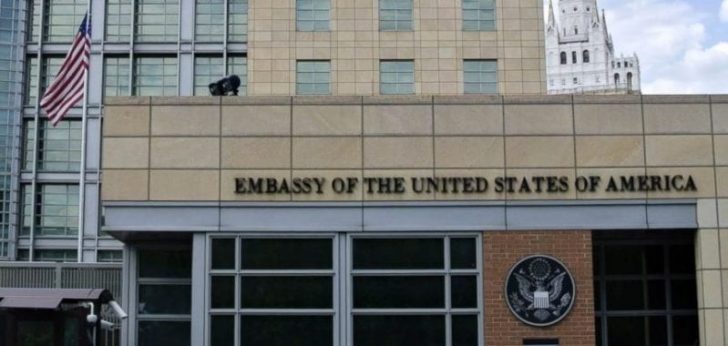
The News / On Monday, March 2, 2026, the U.S. Embassy in Beirut urged all American citizens to leave Lebanon without delay.
Officials described the situation as “volatile and unpredictable,” pointing to airstrikes in southern Lebanon, the Beqaa region, and parts of Beirut.
The embassy singled out southern border areas near Syria, refugee settlements, and Beirut’s Dahiyeh neighborhood as especially dangerous. Americans in those locations were told to depart immediately and move to safer areas while flights remain available.
Beirut-Rafic Hariri International Airport is still open, but the embassy warned that cancellations could happen at any time. That detail matters because once airspace restrictions tighten, leaving the country could become far more difficult.
While Lebanon received a direct departure warning, other countries in the region have issued shelter-in-place guidance. The U.S. embassies in Qatar, the United Arab Emirates, and Saudi Arabia advised Americans to remain indoors until further notice.
In Qatar, officials warned that Iran and its proxies may target Americans in retaliation for U.S. strikes. Routine consular services were canceled, and non-emergency U.S. government staff were authorized to leave the country.
Private American citizens were told to reconsider travel to Qatar. That language signals serious concern, even if airports remain open and daily life appears calm on the surface.
In Israel, the situation is equally tense. The U.S. Embassy in Jerusalem ordered government employees and their families to shelter in place and closed the embassy to the public.
Ben Gurion Airport shut down with no commercial or charter flights operating at the time of the alert. The embassy warned of rocket fire, missile attacks, and drone intrusions that could escalate quickly without warning.
Hotels Targeted in Bahrain
In Bahrain, the danger has become very real and very specific. The U.S. Embassy in Manama confirmed that the Crowne Plaza Hotel was struck on March 1, 2026, and several people were injured.
Following that attack, the embassy warned Americans to avoid all hotels in Manama because they could become future targets. That advisory stands out because it moves beyond general caution and identifies a clear pattern of risk.
Officials told citizens to seek immediate cover if they hear sirens or explosions. They also warned people to stay away from debris after attacks, since unexploded materials can pose additional hazards.
Even outside the immediate conflict zone, alerts are spreading. The U.S. Embassy in Maputo, Mozambique, issued guidance reminding Americans worldwide to stay alert after the launch of U.S. operations in Iran.
The State Department updated its Worldwide Caution notice, urging Americans abroad to maintain a high level of vigilance. Officials warned that airspace closures and travel disruptions could occur with little notice.
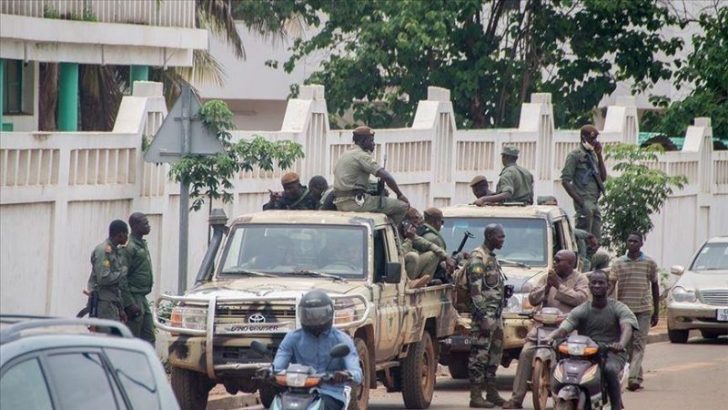
GTN / These alerts follow the launch of U.S. combat operations in Iran on February 28, 2026. That move has reshaped the security landscape across the Middle East in a matter of days.
Military actions often trigger swift retaliation or proxy attacks, especially in regions with ongoing tensions. U.S. facilities, hotels, airports, and crowded public spaces can quickly become symbolic targets.
The warning from Beirut stands apart because it is a direct call to leave the country. That type of language is not routine and signals that officials see a high risk of further escalation.
Commercial flights can disappear fast during regional crises. Airports may close, airlines may suspend routes, and neighboring countries may restrict airspace with little warning.
The State Department strongly encourages Americans abroad to enroll in the Smart Traveler Enrollment Program, known as STEP. This free service sends real-time security updates and helps the U.S. government contact citizens during emergencies.