U.S. Federal Agents and the Tragic Case of Nurse Alex Pretty
The fatal shooting of ICU nurse Alex Pretti by federal agents in Minneapolis on January 24, 2026, hit a nerve across the country. Within days, millions of dollars poured in from strangers who said the same thing in different ways. This should never have happened.
Videos spread faster than official statements. Protests followed. Lawmakers demanded answers. What began as a chaotic street encounter turned into a national reckoning over federal force, public trust, and accountability.
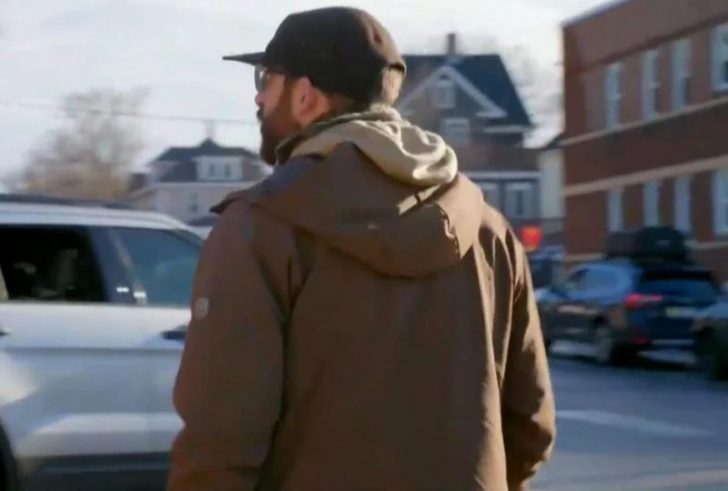
GTN / Alex Pretti was 37 years old, an ICU nurse, and a U.S. citizen. He worked at the Minneapolis VA Medical Center and lived a quiet life by most accounts.
On that January night in Minneapolis, he stepped outside during a federal immigration operation that was already tense.
Multiple videos show Pretti filming agents with his phone as they detained people nearby. When an officer shoved a woman to the ground, Pretti moved toward her. Agents pepper-sprayed him, tackled him, and pinned him down. Seconds later, someone yelled “Gun,” and two agents fired roughly ten shots.
Federal officials quickly framed the shooting as self-defense. Department of Homeland Security Secretary Kristi Noem said Pretti approached agents with a gun and intended to kill law enforcement. Video from several angles shows no gun in his hands. Minneapolis police later confirmed he legally owned a firearm and held a valid permit to carry.
Conflicting Claims and Hard Evidence
As outrage grew, details began to crack the official story. The gun Pretti owned was found holstered and never drawn, according to local police statements. Video shows his hands up during parts of the struggle. That contradiction became the fuel for public fury.
Government records later named the shooters as Customs and Border Protection agents Jesus Ochoa, 43, and Raymundo Gutierrez, 35. Both were assigned to Operation Metro Surge, a large-scale immigration enforcement push in Minneapolis. Both agents were placed on administrative leave, a move that satisfied few critics.
State and local leaders said federal agencies blocked access to key evidence. Body camera footage remains unreleased. Minnesota officials said they were kept in the dark during the first critical days. The silence only made the public louder.
Millions Raised and a Family Lifted
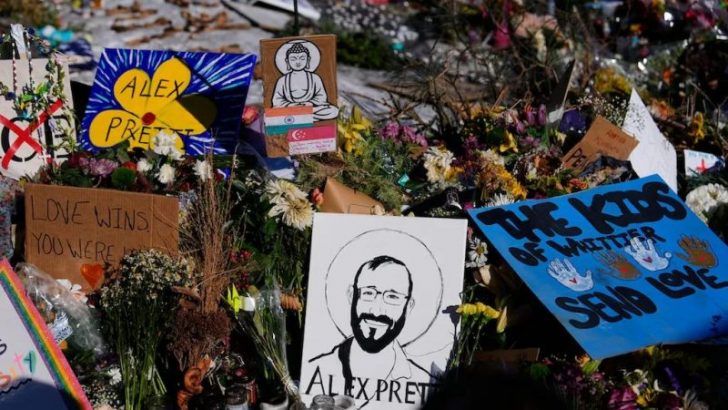
The News / While officials debated language, the public acted. A GoFundMe campaign titled “Alex Pretti is an American Hero” went live within hours of his death.
The fundraiser, hosted on GoFundMe, aimed to raise $20,000 to help his family cover immediate costs.
The public response was staggering. Donations came in from nurses, veterans, parents, and strangers who saw Pretti in someone they loved. By January 29, the total had surpassed $1.7 million, contributed by more than 29,000 people—and the numbers continued to rise as news coverage expanded.
Keith Edwards, the organizer, confirmed that the funds were directed to Pretti’s father, Michael Pretti. That transparency mattered. Donors wanted assurance that the money would reach the family quickly, without legal hurdles. For many, donating felt like a tangible way to respond when words weren’t enough.
Just over two weeks earlier, Renee Good, a U.S. citizen, had been killed by a federal immigration officer in Minneapolis. Her death also triggered protests and large-scale fundraising. Together, the two cases heightened national concern.
Crowds gathered near federal offices, carrying signs with pointed questions. Why was such force being used? Why were citizens dying during immigration actions? And why did accountability appear optional? The questions resonated across the political spectrum.
Under mounting pressure, the U.S. Department of Justice announced that its Civil Rights Division opened an investigation into Pretti’s killing. Lawmakers from both parties called for a full, transparent review. Many said trust would not return without it.