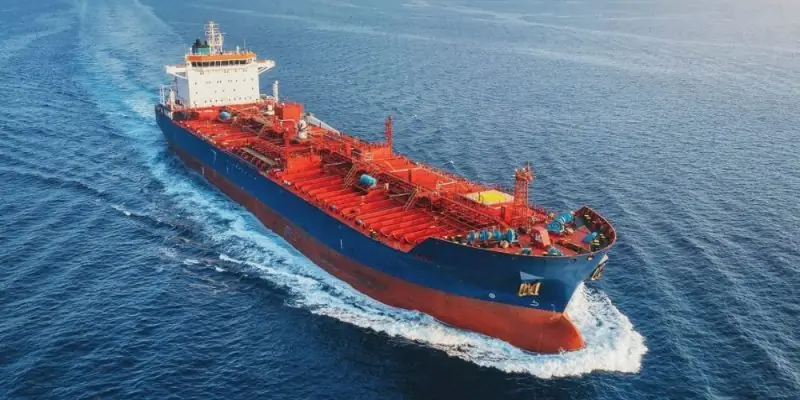
A possible agreement over the Strait of Hormuz is moving closer, but major differences between Iran and the United States remain unresolved. Iran says it is in the final stage of preparing an agreement with Oman, while President Donald Trump has suggested that a deal could be announced within days.
If the arrangement goes through, shipping could resume through one of the world’s most important energy routes and reduce pressure on fuel prices and global markets.
The talks also carry major political stakes. Iran wants to retain some control over the strait, while the Trump administration has opposed any agreement that would strengthen Tehran’s authority over the waterway. That disagreement could determine whether the latest negotiations succeed or stall.
Iran Says Draft Deal Is Nearly Ready
Iranian Foreign Ministry spokesperson Esmail Baghaei said Wednesday that negotiations with Oman had reached the “final stage” of drafting an agreement. He added that a joint statement would be released “if certain parties do not obstruct this process,” an apparent reference to the United States.
Two regional officials briefed on the private negotiations told The Associated Press that Iranian and Omani negotiators had already completed a draft. The proposal is now awaiting final approval from Iran’s Supreme Leader Ayatollah Mojtaba Khamenei.
Khamenei is believed to have been wounded during the opening strikes of the war on Feb. 28 and has not appeared publicly since then.
The officials described the proposed agreement as a temporary arrangement rather than a permanent settlement. They said it is connected to an earlier understanding reached by Iran and the U.S. in June. That agreement was intended to stop the fighting and reopen the Strait of Hormuz, but the effort eventually collapsed.
The latest proposal could also create a path for Washington and Tehran to restart talks over Iran’s nuclear program.
Dispute Over Control of the Strait
The Strait of Hormuz remains the central issue. Before the war, the waterway operated as an open international shipping route. Iran has made clear that it does not want to return to that system without retaining some level of control.
According to the regional officials, the proposed arrangement would allow ships to enter the Persian Gulf through an Iranian-controlled route and leave through a route controlled by Oman. Ships could also face service fees linked to security and protection of the maritime environment.
That point has created another obstacle. The United States has strongly opposed any system that allows Iran to charge fees for passage.
The Trump administration has also rejected an agreement that would effectively establish a lasting Iranian grip over the strait. For Washington, such a result would represent a major setback and could challenge established international rules governing the waterway.
The stakes extend well beyond Iran and the U.S. About one-fifth of the world’s traded oil and natural gas once moved through the Strait of Hormuz. With shipping activity nearly halted, fuel costs and prices for basic goods have risen, adding pressure to economies already dealing with higher costs.
Trump Signals Progress
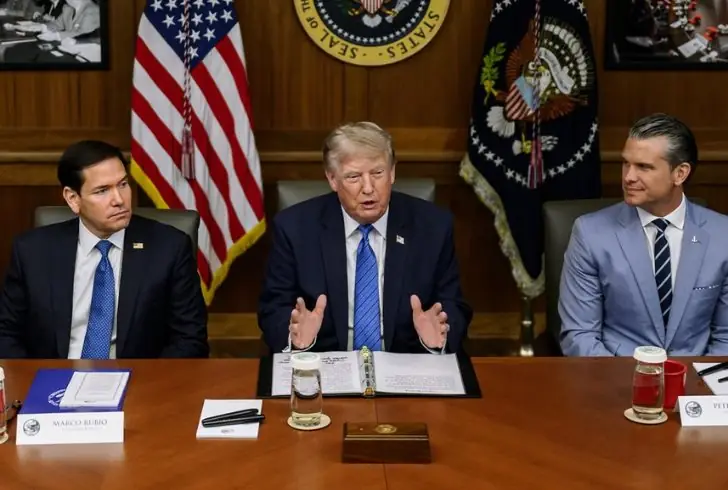
President Trump said Tuesday evening that a deal could be announced soon after reporters asked him about an Axios report suggesting that an announcement could come Wednesday.
“It could happen. Tomorrow or the next day,” Trump said. “A lot of progress has been made.”
Vice President JD Vance offered a more cautious assessment Wednesday. In an interview broadcast by Fox News Channel, Vance described the effort to end the conflict as “messy” and said “it’s going to take some time.”
He also said the Iranians are “extraordinarily difficult people” and acknowledged that negotiations can sometimes move backward before making progress.
Trump’s public comments have shifted between threats of major military strikes and support for diplomacy. At the same time, political pressure is growing in the United States to bring the unpopular war to an end before congressional elections.
Oil markets have also reacted to the developments. Prices initially declined Wednesday before moving slightly higher. Brent crude, the international benchmark, traded at about $80 per barrel, although that remained below the peak reached during the most intense phase of the conflict.
Shipping Attacks Add Pressure
The Strait of Hormuz is not the only shipping route facing danger. Iran-backed Houthi rebels in Yemen claimed Wednesday that they had launched ballistic missiles toward a Saudi oil tanker in the Red Sea near the Saudi port of Yanbu. The group did not provide evidence, and Saudi authorities did not immediately comment.
Separately, a vessel traveling through the Gulf of Aden near Yemen reported a loud explosion close to the ship. The United Kingdom Maritime Trade Operations center said the crew remained safe.
The Houthis also claimed to have fired a ballistic missile at another Saudi oil tanker.
The latest attacks have raised concerns about renewed fighting between the Houthis and Saudi Arabia. Their conflict previously formed part of Yemen’s long-running civil war, with the Houthis fighting a Saudi-led coalition that supported Yemen’s government.
In July, the Houthis announced that Saudi-linked shipping would be blocked from using the Bab el-Mandeb Strait, another major maritime passage connecting the Red Sea with the Gulf of Aden. That move added strain to global shipping and complicated routes used for Saudi oil exports.
Israel-Hezbollah Ceasefire Faces Strain
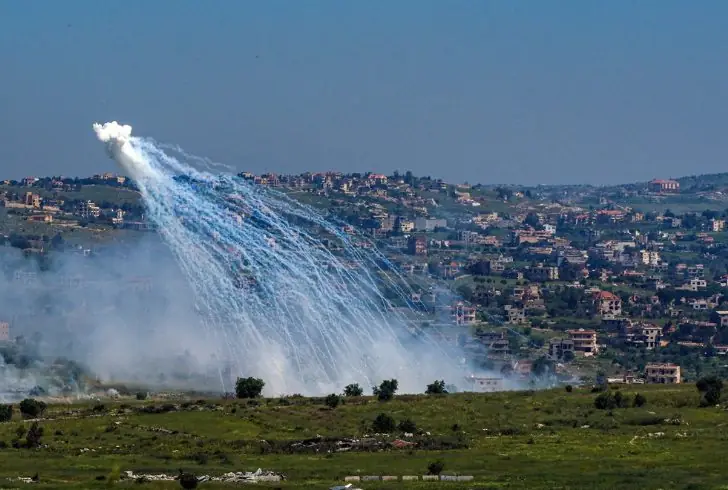
Tensions have also increased along the Israel-Lebanon border. The ceasefire between Israel and Iran-backed Hezbollah became more fragile Wednesday after the Israeli military issued an evacuation warning for residents of Mansouri, a village in southern Lebanon.
The Israeli military later said it had carried out “precise strikes” in southern Lebanon. It described the action as a response to what it called a “blatant violation of the ceasefire.”
The escalation came while Lebanese and Israeli negotiators were meeting in Rome for a second day. Their discussions focused on implementing an agreement that calls for Israeli forces to withdraw from areas they occupy in southern Lebanon in exchange for Hezbollah’s disarmament.
A State Department official said the Rome talks ended early because of developments on the ground. The discussions could continue Thursday. The official, who spoke anonymously because of the sensitive nature of the negotiations, described the talks as “extremely productive.”
What Happens Next
The proposed Strait of Hormuz deal could reopen the key shipping route, but major disputes remain. Iran wants to keep some control over the waterway. The United States opposes any arrangement that gives Tehran a lasting advantage.
A reopening could ease pressure on oil markets and lower shipping risks. It could also help stabilize prices for fuel and other goods. However, attacks in nearby waters and rising tensions between Israel and Hezbollah continue to create uncertainty.
The draft still needs final approval before ships can return to normal operations. The next stage of talks will show whether Iran and the U.S. can settle their differences.
A successful agreement could also create room for new talks on Iran’s nuclear program. Still, disputes over control of the strait, shipping fees and security measures could delay progress.
The situation remains closely tied to wider regional tensions. Developments around the Red Sea and southern Lebanon could affect the talks and shape the next phase of the conflict.