
Static electricity, the accumulation of electric charge on the surface of an object, has been explored as a potential method for water purification. The process involves using an electric charge to attract and remove contaminants from water, offering a low-cost and energy-efficient alternative to traditional water treatment methods.
However, while static electricity purification shows promise, it also has certain limitations that must be considered. This article will discuss the limitations of static electricity purification of water.
Limited Removal of Dissolved Contaminants
Static electricity purification primarily targets suspended particles and larger contaminants in water. It effectively removes larger impurities such as sediment, dirt, and some bacteria. However, static electricity purification is less effective for dissolved contaminants like heavy metals, salts, and organic compounds.
Dissolved contaminants do not carry a significant electric charge and, therefore, are not easily attracted and removed by the static electricity process. Thus, this method may not be sufficient for water sources with high dissolved impurities.
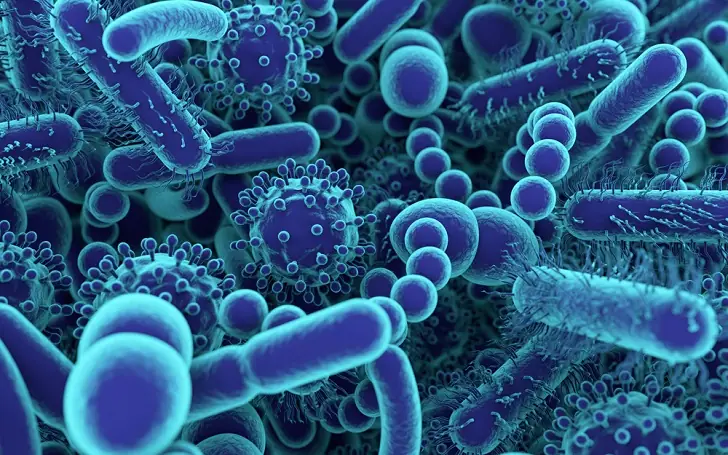
Inability to Address Microorganisms and Viruses
While static electricity purification may be effective in removing certain bacteria and larger microorganisms, it may not be capable of eliminating all types of pathogens. Viruses, in particular, are extremely small and often do not carry enough charge to be effectively attracted by the static electricity process.
This limitation poses a significant concern, as waterborne viruses can cause severe health issues. Additional disinfection methods, such as chemical treatments or UV irradiation, would be required to remove microorganisms and viruses completely.
Energy Requirements for Generating Static Electricity
While static electricity purification has been considered an energy-efficient water treatment method, it still requires a certain amount of energy to generate the electric charge needed. The energy required can vary depending on factors such as water flow rate, conductivity, and the level of contaminants.
In some cases, the energy demand for producing the required static charge may offset the energy savings achieved during the purification process. Therefore, the energy requirements of static electricity purification need to be carefully considered and evaluated compared to other water treatment methods.
Potential for Recontamination
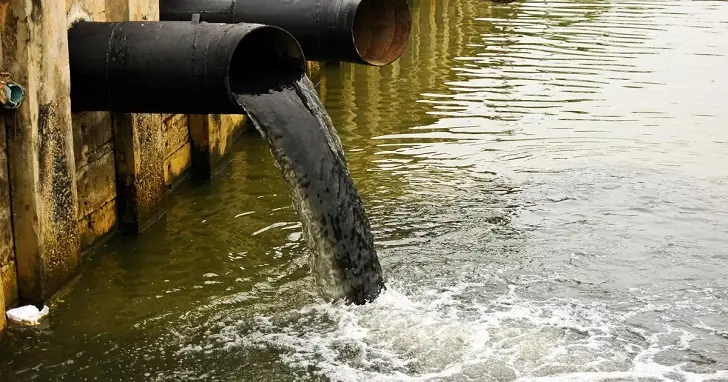
Static electricity purification is primarily a physical separation process, meaning contaminants removed from the water may still pose a risk of recontamination.
If the separated contaminants are not properly disposed of or treated, they can leach back into the water or contaminate the surrounding environment. Therefore, appropriate disposal methods need to be implemented to ensure that the removed contaminants do not become a secondary source of pollution.
Scale and Practicality
The scale and practicality of static electricity purification can present challenges in real-world applications. The effectiveness of the process may vary depending on the size and design of the purification unit. Scaling up the process to accommodate large volumes of water may require significant engineering and infrastructure investments.
Additionally, maintenance and monitoring of the purification system may be complex, requiring skilled personnel and resources. These factors can impact the feasibility and cost-effectiveness of implementing static electricity purification on a larger scale.
Limited Effectiveness for Complex Water Sources
Water sources with complex compositions, such as industrial wastewater or heavily polluted water bodies, may pose challenges for static electricity purification.
High concentrations of contaminants or specific types of pollutants can interfere with the purification process, reducing its effectiveness. To adequately address these complex water sources, pre-treatment or additional purification steps may be required.