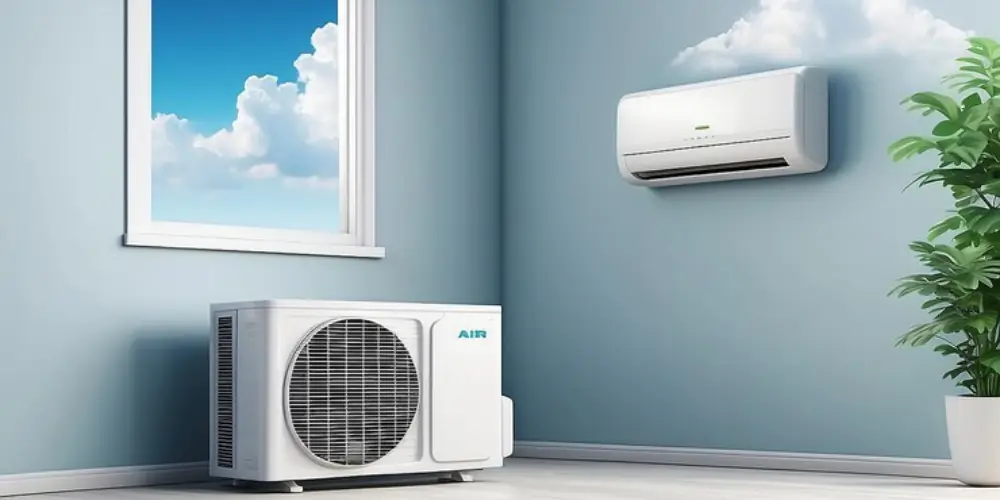
As temperatures continue to rise globally, air conditioning is no longer just a comfort—it’s becoming a necessity. This shift is prompting a surge in demand for air conditioning units. The good news? Recent advancements in new AC technology aim to deliver efficient cooling while minimizing environmental impacts. With projections indicating that air conditioning units could nearly triple by 2050, finding sustainable solutions has never been more urgent.
The Challenge of Rising Temperatures
With average global temperatures increasing by approximately 1.2°C since the Industrial Revolution, the need for effective cooling solutions has become critical. According to health studies, access to air conditioning can significantly reduce heat-related fatalities, especially among vulnerable populations.
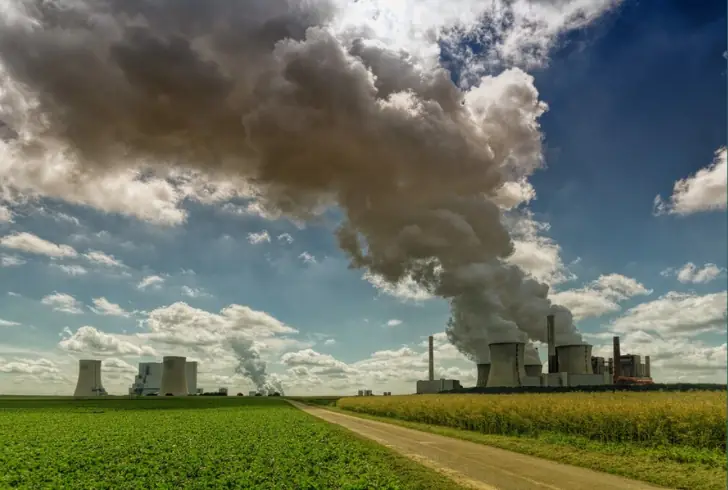
However, the electricity consumption required for cooling contributes to a staggering amount of carbon emissions—more than the entire aviation industry. As demand grows, so does the urgency to innovate.
Key Innovations in New AC Technology
Enhanced Energy Efficiency
Recent studies reveal that a significant portion of the energy used by traditional air conditioning systems is dedicated to dehumidifying the air. Research shows that nearly one-third of the electricity consumed is devoted to this process. New technologies are being developed to tackle this inefficiency head-on.
Revolutionary Desiccant Systems
Traditional air conditioners chill air while also removing moisture, but this dual function can lead to wasted energy. Innovative companies are now exploring desiccants—substances that absorb moisture— to enhance efficiency. For example, advancements utilizing metal-organic frameworks (MOFs) allow air conditioners to capture water vapor more effectively, potentially reducing energy usage by 40%.
Alternative Refrigerants
Hydrofluorocarbons (HFCs), commonly used in cooling systems, are potent greenhouse gases. New AC technology is shifting towards refrigerants that have a far lower impact on global warming. By minimizing the use of HFCs, the environmental footprint of air conditioning systems can be drastically reduced.
The Future of Cooling Solutions
Several companies are pioneering innovative cooling methods that promise to reshape the industry. Here are a few notable advancements:
Evaporative Cooling Techniques
Companies like Blue Frontier are developing systems that leverage the natural cooling properties of evaporating water. This approach allows for independent control of humidity and temperature, leading to energy savings of up to 90%.
Grid-Friendly Solutions
To address spikes in electricity demand, businesses are turning to creative solutions. Some hotels in California have adopted “IceBricks,” which freeze water during off-peak hours to use later when demand surges. This strategy not only reduces cooling costs but also helps stabilize power grids during heatwaves.
The Importance of Sustainable Practices
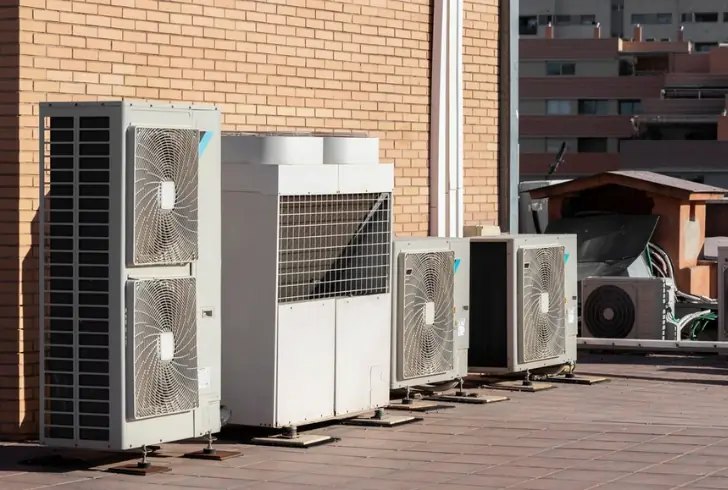
The growth of air conditioning technology must align with sustainability efforts. As climate change continues to pose threats globally, the responsibility lies with manufacturers and consumers alike to prioritize environmentally friendly practices. This includes not only the materials used but also the overall efficiency of the systems being deployed.
The Role of New AC Technology
The advancements in new AC technology present a promising future. As these innovations gain traction, they can significantly mitigate the environmental impacts traditionally associated with air conditioning. The transition to more efficient, less harmful cooling systems is not just a technical challenge; it’s a vital step towards ensuring a livable planet for future generations.
With global temperatures on the rise, the adoption of innovative new AC technology can lead to significant improvements in energy efficiency and environmental impact. The push for better cooling solutions is crucial not just for comfort, but for survival in an increasingly hot world. By embracing these advancements, society can work towards a cooler future that doesn’t come at the planet’s expense.