
For years, American sunscreen shoppers have had fewer filter options than consumers in many other countries. That may finally be changing. The U.S. Food and Drug Administration approved bemotrizinol, commonly called BEMT, as a sunscreen filter on June 9, opening the door to a new generation of SPF formulas.
The approval was a major moment for skincare companies. At Ultra Violette’s Melbourne office, the announcement reportedly triggered cheers and celebrations. La Roche-Posay’s team reacted with messages, memes, and a GIF from “Friends” showing Rachel and Phoebe celebrating.
For consumers, the approval may sound technical. For sunscreen formulators, however, it represents access to an ingredient they have been waiting years to use in the American market.
A Long Wait for a New Filter
Before BEMT arrived, the FDA had not approved a new sunscreen filter in 27 years. U.S. brands also had access to a much smaller group of chemical and mineral filters than companies in several other major skincare markets.
That difference helped fuel a growing habit among American consumers: buying sunscreen while traveling overseas. French pharmacies, Korean beauty stores such as Olive Young, and Japanese retailers such as Don Quijote became popular sources for SPF products with different textures and filter systems.
The issue was not that every American sunscreen was poor. U.S. brands have continued to develop better products. Still, formulators had to work within a narrower list of approved active ingredients.
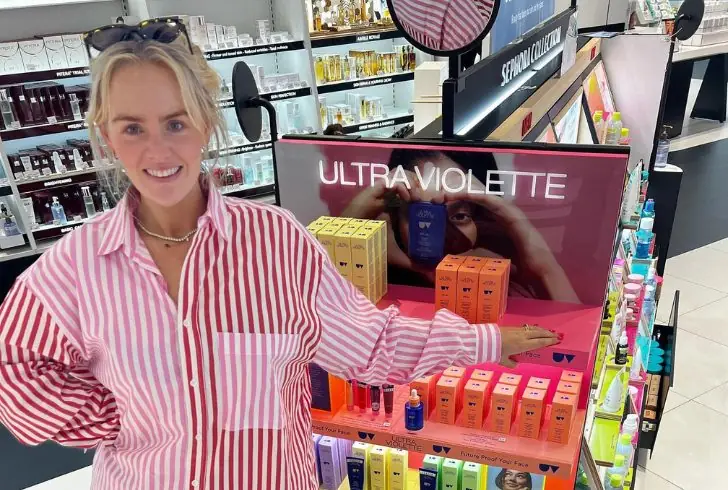
Ultra Violette cofounder Ava Chandler-Matthews described the FDA decision as “a door crack to what could be, to what the industry could look like.” She also argued that the U.S. had fallen behind other countries in sunscreen technology.
BEMT gives formulators another option. The broad-spectrum chemical filter can work at relatively low concentrations and remains stable over time. Those characteristics can help brands create sunscreens that feel lighter and look less noticeable on the skin.
Naked Sundays founder and CEO Samantha Brett said the ingredient gives chemists another tool for developing high-protection products without sacrificing wearability.
What Makes BEMT Different?
Bemotrizinol begins as a fine white powder. That physical form is one reason formulators find it practical to handle during development.
Stephen Lynch, head of skincare valorization for L’Oréal Groupe North America, described BEMT as “easier to handle” and “a pleasure to formulate with.”
L’Oréal’s La Roche-Posay division already has experience with BEMT sunscreens in other markets. The company planned to introduce its first BEMT formula for U.S. consumers around Thanksgiving.
Another important feature is efficiency. BEMT has a usage limit of 6%, while zinc oxide can be used at concentrations of up to 25% and homosalate up to 15%.
Using less of a particular filter can give formulators more room to balance the sunscreen system with other ingredients. That can matter when the goal involves strong UVA and UVB protection combined with a comfortable finish.
Chandler-Matthews said BEMT can “lighten the chemical load” because it works effectively at lower concentrations.
Still, a new filter does not automatically produce a better sunscreen. The rest of the formula has to work with it.
Why Formulation Takes Time
BEMT comes with its own technical requirements. The powder needs to be properly solubilized in oil. If formulators do not achieve the right balance, the ingredient can crystallize.
Chandler-Matthews explained that successful development depends on using the right solubilizers in sufficient amounts. Other UV filters may sometimes assist the process, while certain emollients and fast-spreading oils can improve both stability and skin feel.
Colin Pinto, vice president of product development for skin health North America at Kenvue, also pointed to the formulation challenges. Kenvue owns Neutrogena, which had BEMT products scheduled for mid-September.
According to Pinto, BEMT can support high-SPF products with a lighter texture, but formulators must carefully address long-term stability, durability, and water resistance.
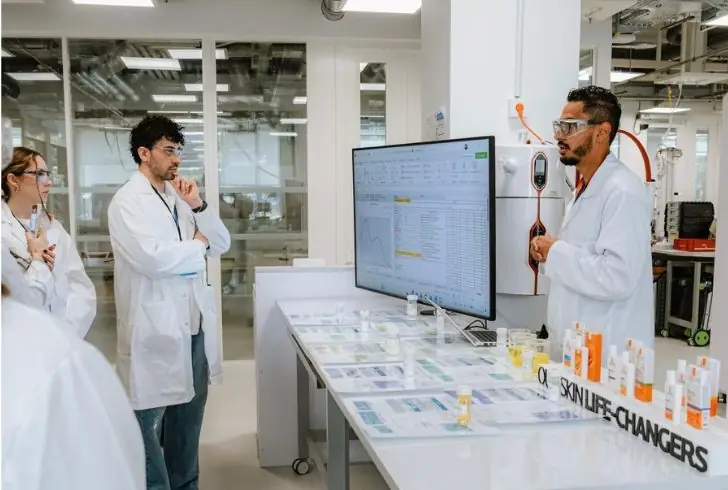
That work takes repeated testing. Sunscreen formulas must balance UV filters, solvents, oils, emollients, skincare ingredients, stability, texture, and performance. A small change in one part of the formula can affect another.
Lynch called sunscreen development “one of the most challenging types of formulation” offered by the company.
Brands Started Preparing Early
Some skincare companies did not wait for formal approval before beginning their BEMT research. They had reason to believe the ingredient could eventually enter the U.S. market, so they prepared possible formulas in advance.
Ultra Violette created two product-development pipelines while preparing for its U.S. launch: one using BEMT and another without it.
Chandler-Matthews said the company did not know whether approval would happen, but it continued with the expectation that the filter could eventually become available.
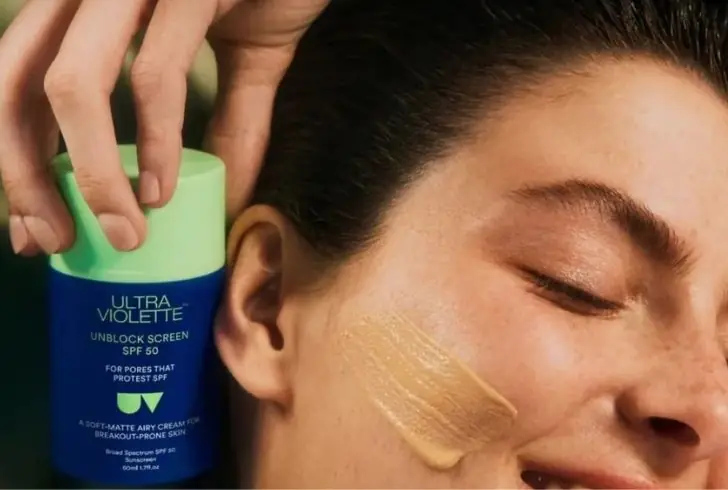
Ultra Violette entered U.S. stores in spring 2025. More than a year later, BEMT received FDA approval. The brand’s first U.S. sunscreen using the filter, Unblock SPF 50, was scheduled to launch September 1. The formula combines BEMT with zinc oxide and includes ingredients aimed at breakout-prone skin.
La Roche-Posay reportedly spent at least two years developing its first BEMT sunscreen intended for U.S. distribution.
Naked Sundays also prepared early. Brett said the company did not want to wait for approval before beginning development because SPF formulation and testing can take many months or even years. Its BEMT formula was planned for early 2027.
One Supplier Has Early U.S. Exclusivity
The initial U.S. supply of BEMT is another important part of the story.
DSM-Firmenich, a Swiss-Dutch company known for ingredients used in skincare and fragrance, is the exclusive supplier of BEMT for the U.S. market for 18 months after the first BEMT product reaches American consumers.
The arrangement is connected to the cost of bringing a new sunscreen filter through the FDA approval process.
Pinto explained that the company conducting the required clinical studies carries the financial investment. In this case, DSM supported the work needed for BEMT approval. The FDA then granted an 18-month period of supplier exclusivity.
Once that period ends, other manufacturers can begin supplying the ingredient to companies developing sunscreens for the U.S. market.
That could eventually make BEMT more accessible to a wider range of skincare brands.
A Policy Shift Could Bring More Filters
BEMT’s approval also arrived after a change in U.S. sunscreen policy.
The Supporting Accessible, Flexible, and Effective, or SAFE, Sunscreen Standards Act became law in November 2025. The legislation aims to make the FDA review process for sunscreen active ingredients faster and more streamlined.
The timing matters because BEMT is more than a single new ingredient. Its approval could signal a broader shift in how sunscreen filters enter the U.S. market.
If the newer process helps additional ingredients move through regulatory review, American formulators could eventually have more options for designing SPF products.
That could affect texture, protection, stability, water resistance, and the overall experience of wearing sunscreen.
Will Shoppers Ask for BEMT?
Most consumers are unlikely to walk into a store specifically asking for bemotrizinol right away. The ingredient name is technical, and sunscreen shoppers usually focus on factors such as SPF level, skin type, finish, water resistance, and whether a product works comfortably under makeup.
Brands therefore face another challenge: explaining BEMT without making sunscreen shopping feel like a chemistry lesson.
La Roche-Posay plans to focus on consumer education and work with retail partners to explain the new technology. Grace Riggenbach, general manager of La Roche-Posay USA, said in-store education remains one of the company’s important tools for increasing consumer awareness.
The larger opportunity may be less about making BEMT a household term and more about improving how sunscreen feels and performs.
If new formulas are lighter, less visible, and easier to wear every day, consumers may notice the difference without needing to understand every ingredient on the label.
BEMT gives U.S. sunscreen formulators a new ingredient option that can support high-protection products with lighter, more comfortable textures. As brands introduce formulas developed with the filter, consumers will have more choices in how they approach daily sun protection.
The bigger shift may come from consumer experience. As Samantha Brett noted, the future of U.S. sunscreen could focus less on persuading people to use SPF and more on creating products that feel good enough to become part of an everyday routine.